Prelude
Potatoes can be grown in a relatively closed-loop without indistrial inputs or imports.
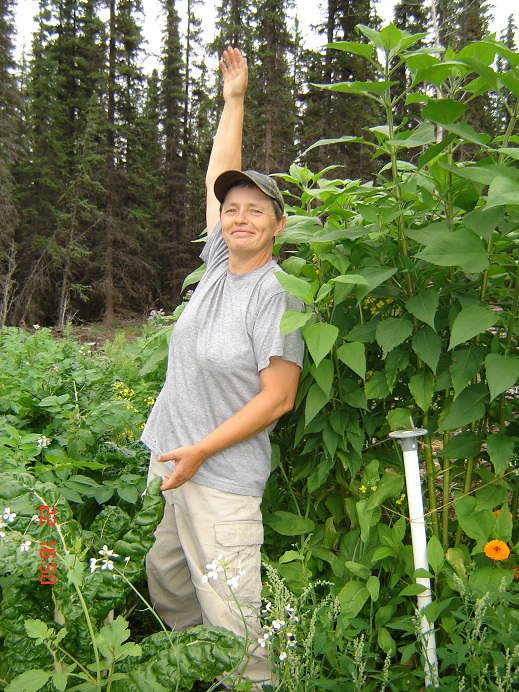
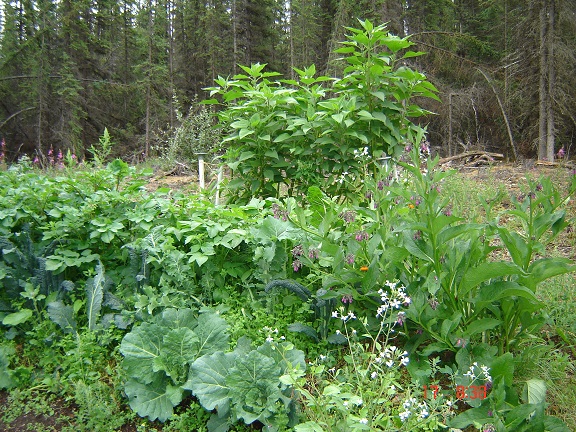
Potatoes grow well in Alaska. We grew them in plain ole silt that is abundant in this glacial sediment valley, and is almost devoid of organic matter. This was done with very little work and with pretty sketchy seed potatoes that were rather black and moldy.
However the hard freezes (-40° for at least a few days most winters, sometimes colder) make it difficult to get much through the winter without freezing solid at least once. It is common to have periods of above freezing days and below freezing nights for weeks.
This leads to a couple problems
- Potatoes stored for eating are in various stages of frozenness and mushiness and wateriness at various times. Many do not last very long.
- Seed potatoes don’t seem to remain viable without fancier climate control than log cabins and woodstoves and being gone for random weeks at a time affords.
The questions
Which potato varieties are vest suited to multiple freeze and thaw cycles? In my limited experience, red potatoes from the grocery store seem to have lower water content, and seem to last longer than russets and yellow/golden fleshed varieties. But surely there are DIY potato varieties which are worth considering.
Are there any reasonable options or strategies for avoiding importing seed potatoes by keeping a fair number through the hard freeze winters? Are there tricks or varieties to which allow them to handle freezing and remaining viable?
Pot of ugly potatoes I’m cooking tonight which inspired the post.
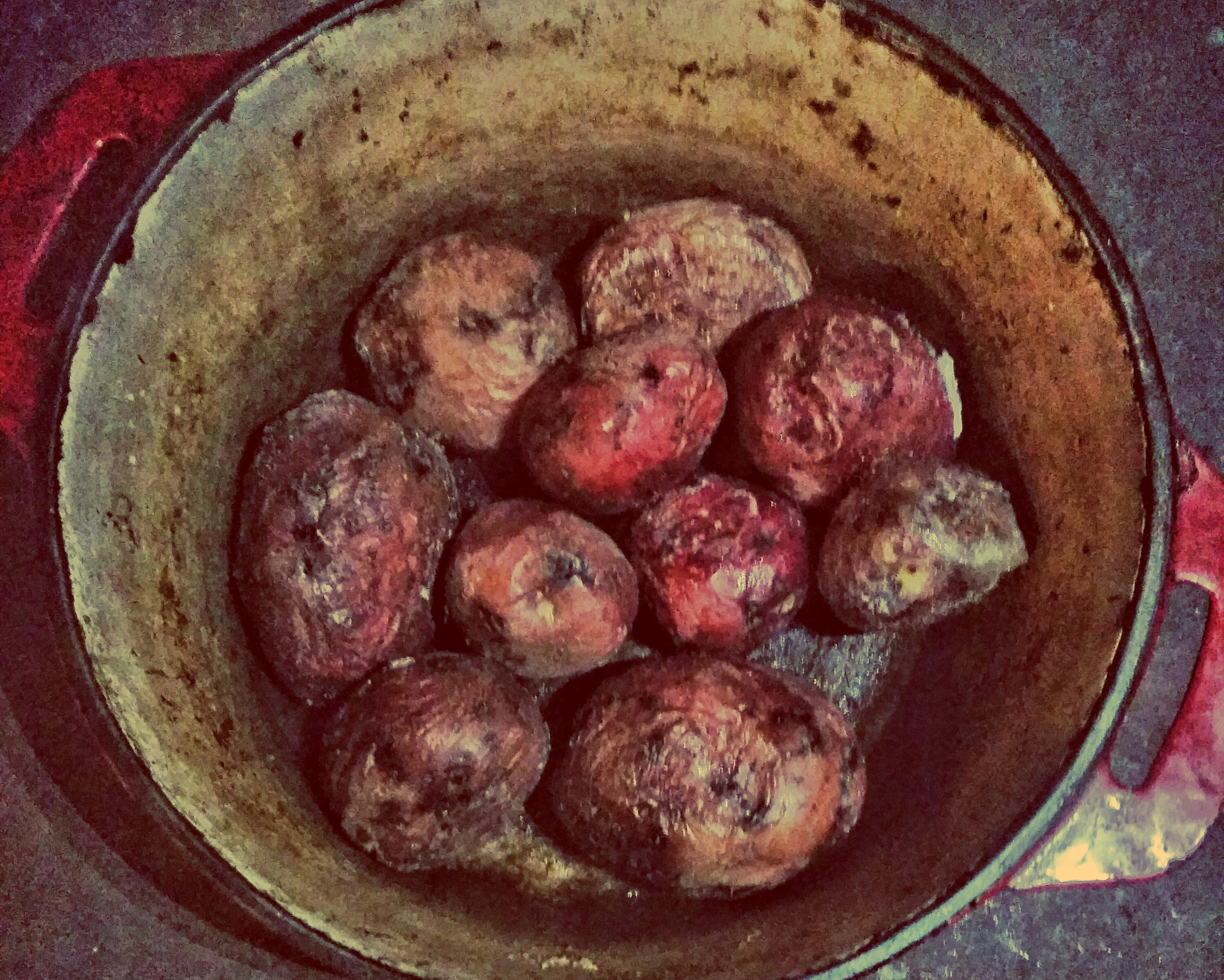
They’ll be good despite initial appearances.