
After starting this project in August of 2012, and “buying” our first piece of land in July of 2014, it I am humbly ecstatic to report that our first property (which has been informally referred to as Node One, until we come up with a better name) is paid off free and clear. Those who have contributed to making that happen have expressed no interest in being formally recognized, so I personally thank them, however invisibly.
This new reality has opened up a huge shift in focus. Rather than scramble to fundraise for a nebulous project, we are now able to open up space for developing our vision in a more organic way, and avoid mediating all community relationships by economic transactions from the start. As such, we have much work to do in updating the web presence to reflect the new approach, and we welcome suggestions to what that might look like.
For those who have missed the discussions, the land is 4 acres of riverfront property in interior Alaska, mostly surrounded by publicly accessible state land. We can walk and paddle for miles in any direction without running afoul of legally restricted land. The river out our proverbial doorstep is a significant salmon run for three species, as well as many other fish. The surrounding boreal forest is a combination of wide, flat river valleys and substantial, but not insurmountable, rolling hills. Hunting for moose, bear, hare, grouse, beaver, and many other species has been practiced here for thousands of years, and integrating ourselves into that cycle of life remains an active process. While the are is classified as agricultural “zone 2”, there are many edible and useful plants growing wild, and many others can be encouraged to grow here. Edible Forest Gardens: Volume 2 lists several permaculture-friendly plants, and many other sources add to the potential.
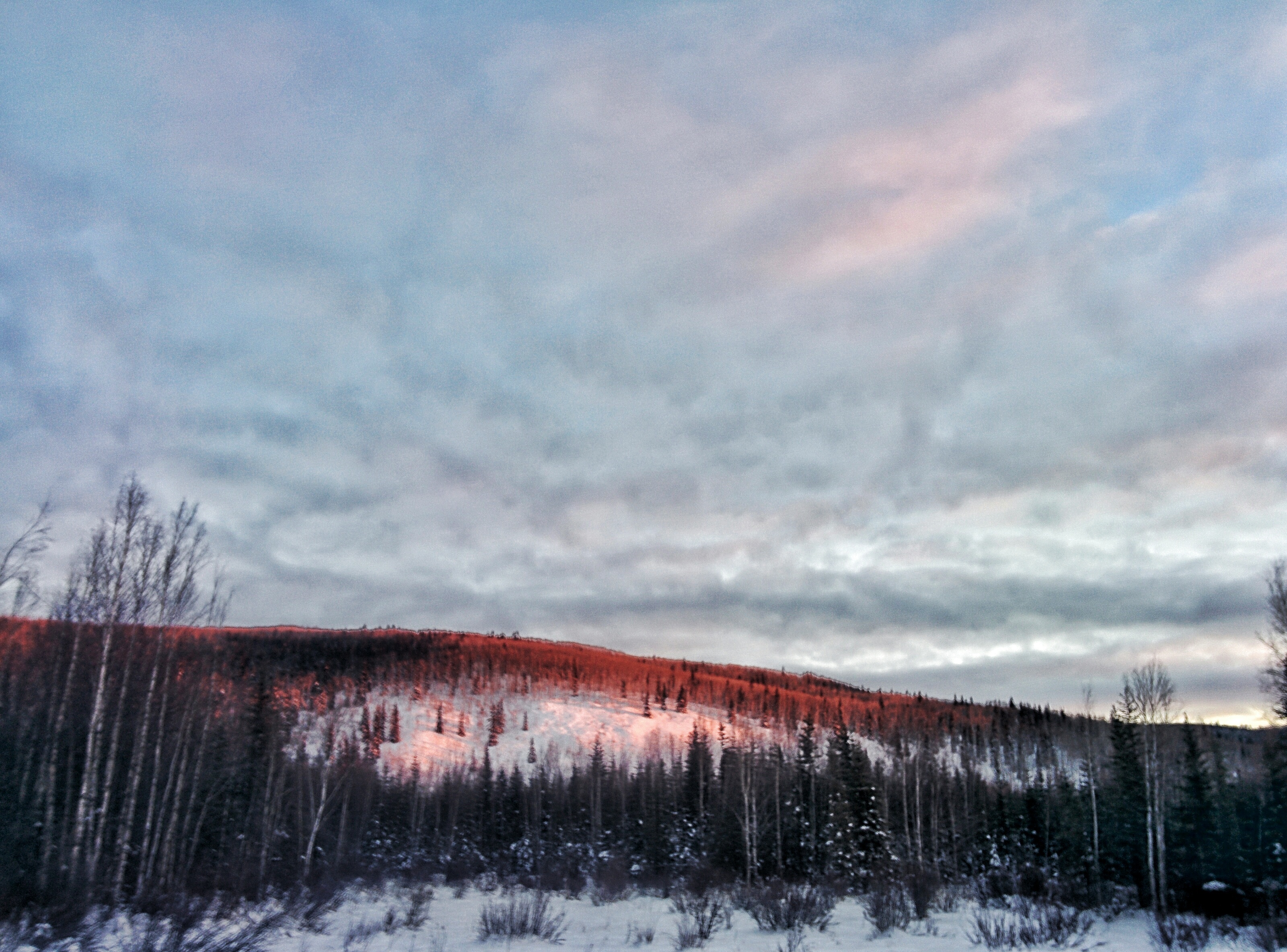
Many with domesticated views of climate, geography, and the like have expressed criticism for our choice of land, saying “it’s too cold” or “you can’t even practice permaculture there”. Perhaps our decision was unconsciously driven by the wildness of this land as a filter – one that might inspire introspection into one’s assumptions of comfort and need. And perhaps there are other good reasons for critiquing the land choice. The consensus response at this point is that this project has always been, and continues to maintain, a focus for opening many spaces to creating a wilder culture around the globe, and not limited to any one place.
In Spring and Summer of 2016, we are working toward building “infrastructure” in terms of shelters and caches. We invite those interested in visiting and participating in some way to contact us personally. That can be done through these forums, or via email at {my first name}@feralculture.com
We hope you are as excited about this as we are! Toward a wilder everything.