Labrador tea - harvesting from the muskegs for medicinal herbs

link to blog post: harvesting labrador tea for medicinal use

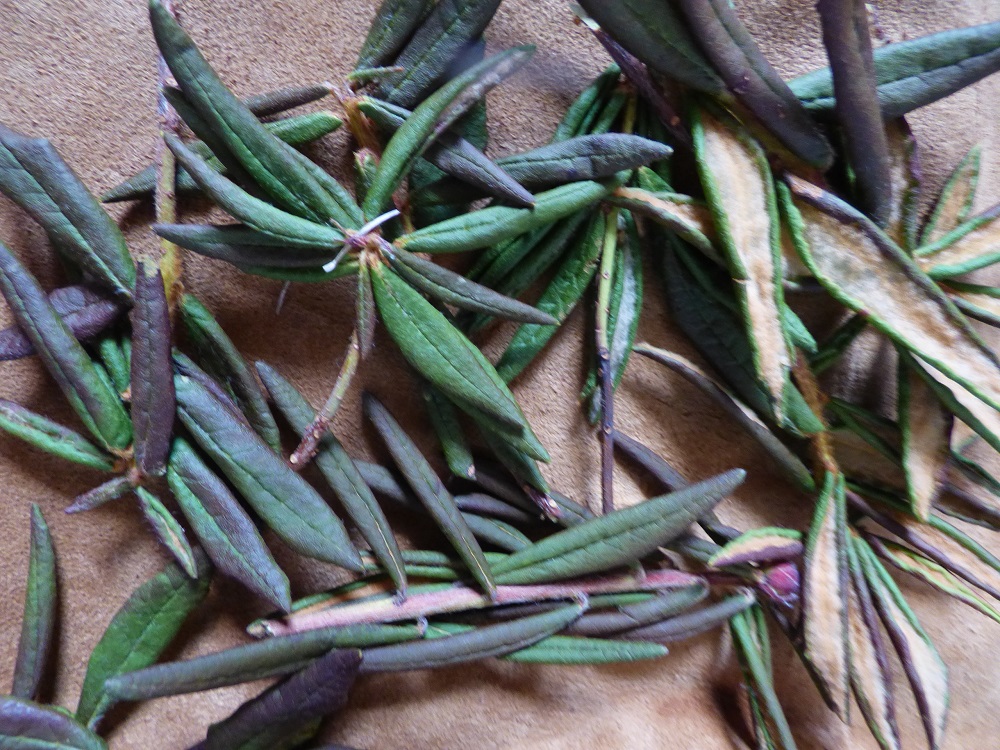
just posted this about harvesting some labrador tea back while we were deer hunting last autumn. have you ever worked with labrador tea? its scent is ethereal, vivid, almost spicy, and unforgettable. it’s an iconic smell of boreal muskegs, & is treasured as a wild medicinal.

3 Likes

I’m drinking labrador tea (Ledum Palustre) every time I’m in the Far North. It really is the smell of tundra and taiga, maybe together with birch… very intense. But it’s quite toxic I think if I were to drink it every day… What medicinal uses does this plant have, though? Apart from calming you down…

Labrador tea has a decent amount of vitamin c (like most things people in the north make tea with do) I know people who drink it daily, as I only drink it occasionally, my understanding is that the toxicity is more a problem in the way it is prepared. You should never boil the leaves, only make an infusion with boiling water and let steep a few minutes. As far as medicinal qualities I’ve heard it makes a decent expectorant, but I have no personal experience with that.
Hey @Tara you know the most of anyone I know on this subject.

I boiled it like hell and drank it almost daily for something like 3 months when Jennifer was in Antarctica. I question its toxicity, and suspect that if it’s a problem, it may be when it’s highly concentrated, as in a tincture. I do remember reading about it having some toxic compounds somewhere, and also recall Ray Mears talking about only drinking it in small quantities.

My preparation was to boil the leaves for an hour or so, making a fairly strong tea. Sometimes I would pour that over a black tea bag for a double-strength tea. Sometimes I would drink it straight.

Maybe that explains why I am the way I am? Oops.

Oddly, the scent reminds me of baseball. My dad played in an adult league when I was about 8, and my brother and I would go play hide-and-seek with other kids on the game trails adjacent to the fields. Those trails were packed with it.

2 Likes

@Liras, the first link in my original post up there goes to a blog post on our site with more information. part of which is a link to Medicinal Flora of the Alaskan Natives - a full-book, free downloadable pdf through the u of alaska. there’s a lot of great information in there about what different native peoples in alaska do with a wide array of medicinal trees/plants/fungi/etc.

@andrew, it’s nice to hear directly from people ‘experimenting’ against the advice of most guides… at least to get some firsthand info about what reactions (if any) to expect. also, as with any plant used by many groups of native peoples, i’ve heard it both ways - that some people say only to use it for brief periods of time, and that others have drank it every day of their lives. i’d definitely pay attention to my blood pressure & heart rhythms in general if i chose to boil it or use it in more heavy-handed ways.

3 Likes

Yeah toxins and even nutrients in plants can vary by location, soil ph, soil composition, season, temperature, subspecies and even time of day. Plus toxicity levels varies by person…like how you hear some people eat certain toxic mushrooms.

Also some toxin exposure can be beneficial.

3 Likes

Hormesis.