
Skimming through the resources in Edible Forest Gardens, Vol. II, there are multiple references to Zone 2 plants that are human and permaculture friendly. Is anyone out there working on boreal permaculture in a focused way? Are there known resources? How about entities working on native plants or domesticates (fruit trees, etc.) that have information we might find useful, but not operating specifically under the “permaculture” umbrella?
List by Eric Toensmeier. Definitely some overlap…
Extreme Cold
High Mountains and Frozen Northlands
This region covers most of inland Canada as well as the northern U.S. plains and the Rockies. It corresponds with USDA Zones 1–3, and Sunset Zones 1, 44, and 45. Note that heavy snow cover can provide excellent insulation in this zone, but the short season and lack of hot summers are serious limiting factors.
Perennial in all of the Extreme Cold zone:
Helianthus tuberosa sunchoke
Hemerocallis spp. daylily
Matteuccia struthiopteris ostrich fern
Nasturtium officinale watercress
Oxyria digyna mountain sorrel
Rheum rubarbarum rhubarb
Sagittaria latifolia arrowhead
Perennial in warmer parts of the Extreme Cold zone, or perennial with protection:
Allium fistulosum Welsh onion
Allium tricoccum ramps
Allium tuberosum garlic chives
Apios americana groundnut
Aralia cordata udo
Asparagus officinalis asparagus
Bunias orientalis Turkish rocket
Chenopodium bonus-henricus good king Henry
Cicorium intybus chicory
Crambe maritima sea kale
Dioscorea japonica jinenjo
Dioscorea opposita Chinese yam
Laportaea canadensis wood nettle
Levisticum officinale lovage
Oenanthe javanica water celery
Petasites japonicus fuki
Phytolacca americana pokeweed
Polygonatum biflorum canaliculatum giant Solomon’s seal
Rumex acetosa French sorrel
Rumex acetosa ‘Profusion’ sorrel
Rumex acetosella sheep sorrel
Rumex scutatus silver shield sorrel
Scorzonera hispanica scorzonera
Sium sisarum skirret
Stachys sieboldii Chinese artichoke
Taraxacum officinale dandelion
Tilia spp. linden (as a dieback perennial in colder areas)
Urtica dioica nettles
Can be grown as annuals in the Extreme Cold zone:
Brassica oleracea acephala ‘Western Front’ perennial kale
Diplotaxis spp. sylvetta arugula
Solanum tuberosum & spp. potato
http://perennialvegetables.org/perennial-vegetables-for-each-climate-type/extreme-cold/
I’m growing that Western Front kale. A lot of my seeds have been from Adaptive this year. I recommend other hardy brassicas like cabbage (January King) and collards (Champion). Other hardy greens: Mache, Spinach, Bull’s Blood Beets (eat the tops and roots). I’m growing a Groninger Blue Collard-Kale that is new the US and is known to be hardy. If you want some seeds I’ll send them up with @lincolnfinch, if he’s still coming down to Corvallis.
I noticed Oikos has a lot of those perennials: https://oikostreecrops.com/products/perennial-vegetables/
Not on that list is Lonicera caerulea, or Honeyberry. http://www.ontariohaskap.ca/ and maybe Hardy Kiwi?
2 Likes
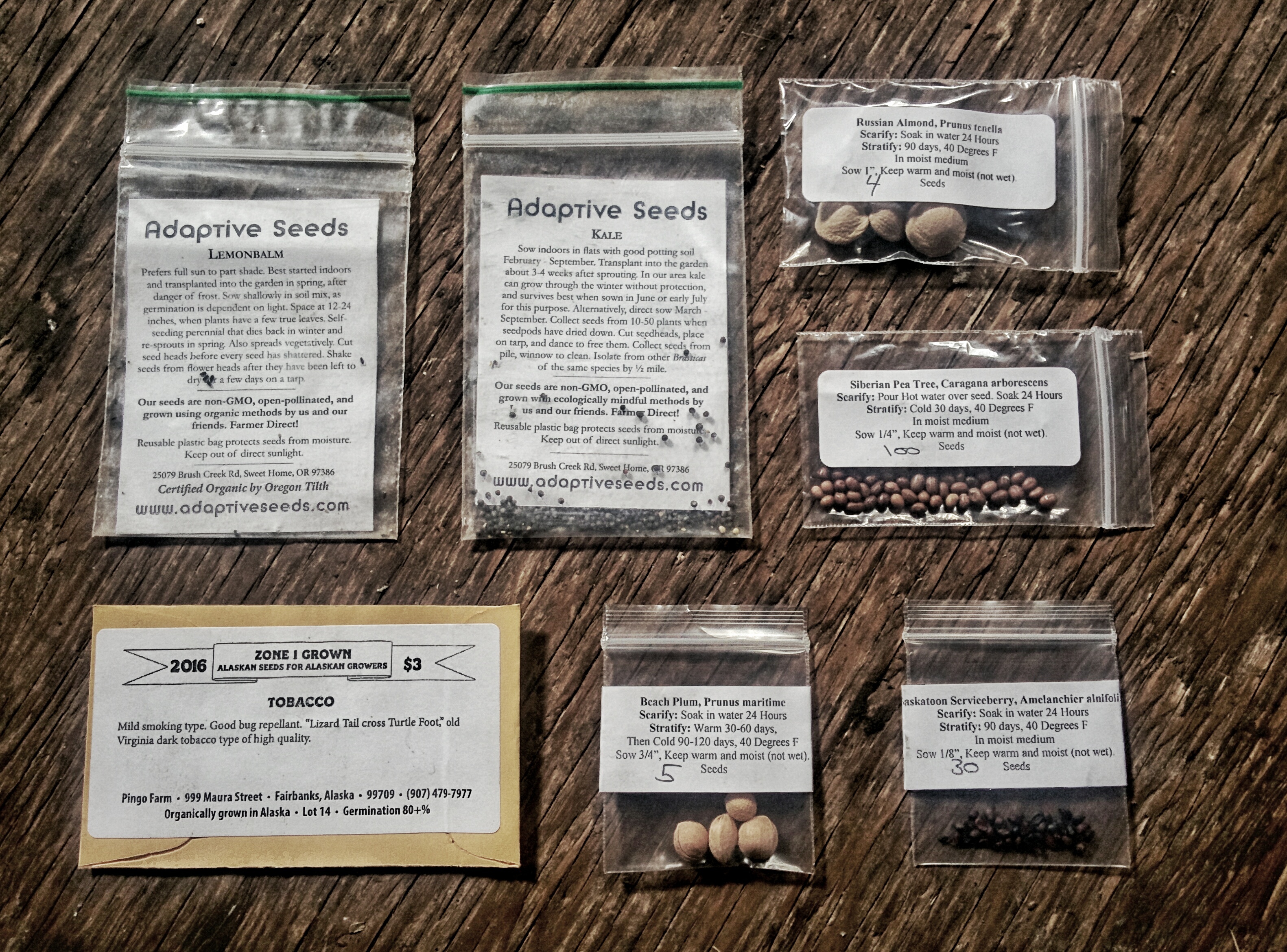
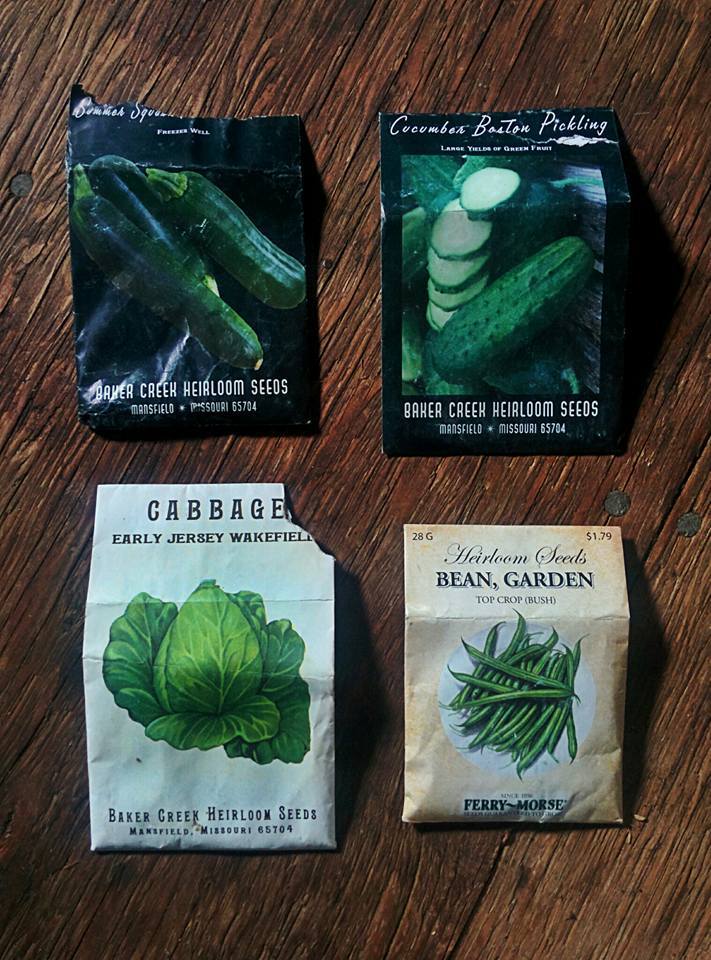
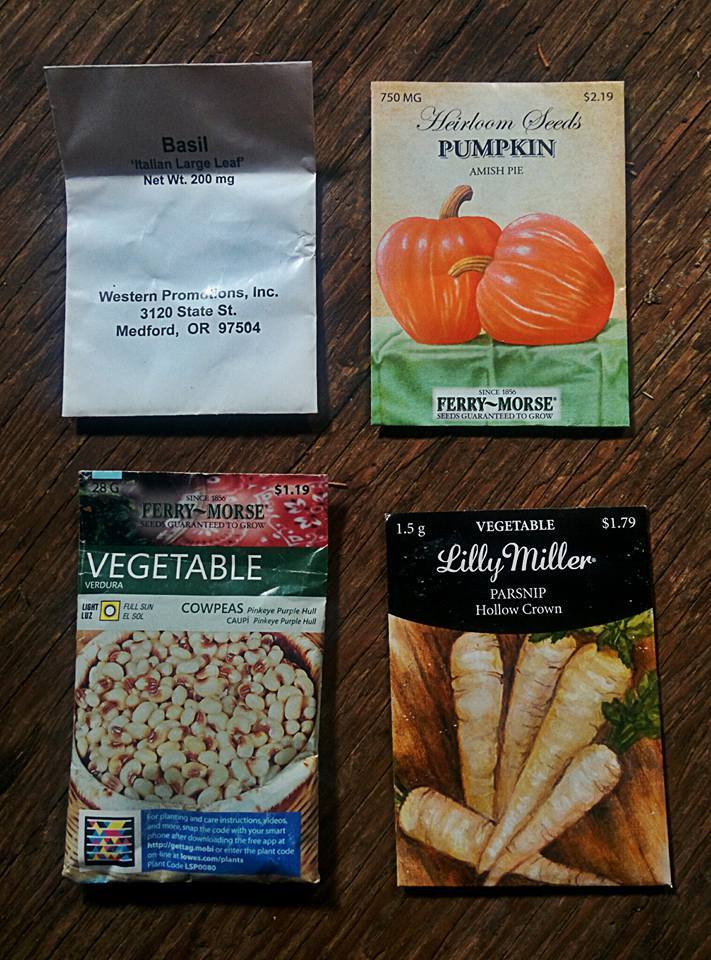
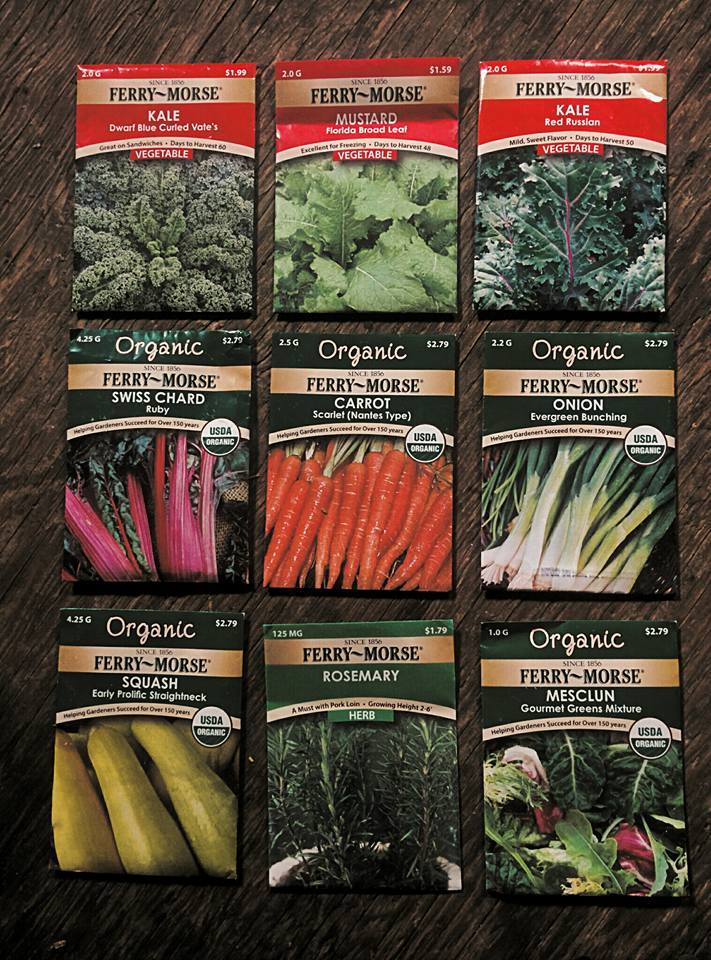
Not perennial, nor particularly relevant to the original post, but here are the other seeds that recently arrived from nice people. I’m happy to experiment with all sorts of things.
1 Like
hello Andrew
finally a cold grey day here and time to write a few lines…this is the start of busiest time for growers here : Canada, Yukon – about 50 k out of Whitehorse.
Boreal forest at its most challenging for growing food…Zone 2, winter temps below -40 possible ( not quite in recent winters…) semi- arid, barely any soil in this region, rain shadow of a mountain, valley where heavy frost can hit ANY month of year, growing season maybe reaches 70 days in good years…
16 acre lot in rural community- around 1 acre of it living space- for us and the garden- the rest is wild and wildlife…some want to eat our plants…some we encourage to eat those… 
we can produce all of our vegetables for the year ( plus some to gift and for wild meat ) in raised beds with mostly annuals and in a coldframe ( did I mention we are off grid too…with minimal power for a couple hours a day…)
we started with perennials at garden borders…berries mostly and then added on…we are now looking at year 3 of a North of 60 food forest…an exciting project with so much to learn, observe and try…
we do include the knowledge we found in – beyond organic, deep ecology , permaculture and agroforestry within both our gardens…and all the growing knowledge our local community of gardeners shared with us out here…hands on, low tec, based on soil health and growing within plant communities and the gardener just being another part of this community of a food forest.
We did clear about 4000 squarefeet for the food forest ( next to app 40 raised beds ) and have now around 70 different kinds of plants, most of them perennial ( with lots of each ) growing in there. Everything from a variety of berry bushes to some fruit trees, various pin cherries , siberian apricots, pembina plums, crap apples and more…
Many trials are currently running on finding Northern guilds…with comfrey, caragana, alfalafa, various ground covers, herbs, mineral and dynamic accumulators – all this is based on permaculture background…while looking for practical, easy and working ways in our microclimate. Many permaculture ideas just make no sense here…but the ethics and ideas of observing , research and design
make sense and seem to work !!!
we are just getting started on a nursery – looking at plants like wild grapes, cold hardy hazelnuts, korean pine and even walnuts…maybe one day …and propagating from the ones we already have…still a log way to go
In the long run we are looking for ways to grow in this challenging climate without having to go on borrowing ( nicely put…) from other habitats to sustain annuals within this extremely short season.
I am better within face to face community… but if that sparks anyones interest …ask away
Agnes and Gertie
Needle Mountain Food Forest
Southern Lakes Area Yukon Canada
4 Likes
Hey! @yukongertie1
I just moved to the Yukon (tagish), and am also trying my hand at boreal gardening! I have some raised beds, and have started some spinach/kale/swiss chard/radishes outside, but was wondering if you had any tips for getting some of the less frost-tolerants to survive this season. Also, if you know of anyone who has bees in the area! Anyways, hope all is well and best of luck with your seasons!
1 Like
hello back
and from just around the corner ! there is a great community close to you- Mt Lorne Community centre has a great Northern backyard growing program with workshops and awesome gardeners sharing their knowledge- and we hang out there a lot too. there will be a Natural cheese making talk with a guerilla cheese maker this Friday May 20th 7pm. If you have time
just come on by - free event-open to all. Ask for Agnes… There will be gardeners, bee folks ,
homesteaders. All the knowledge you are looking for. check out www.mountlorne.yk.net for more info and directions. gertie
Has anyone looked at planting nut pines? Swiss Stone Pine, Korean and Siberian Nut pines should all at least survive the climate.
we have Swiss stone and Korean planted - 3rd year- still in a nursery bed
some of both from seedlings last summer are overwintering
and a bunch of both are in stratification for the coming year…
they grow quite slow…
and go figure- the snow shoe hares last year had a feast on the 2 year old ones…
while there are more than enough pine seedlings in the boreal forest all around us…they really liked mine…
You will need patience - between 10 and 15 years to first nuts
and lots of space …the will create shade on anything else you plant
seedlings did way better once we planted comfrey in between for shade
and protected them…
Gertie Yukon
1 Like
Nice! I planted limber pines at my old place. I was thinking of broad scale plantings or putting them in good spots for wind breaks and sun traps.
1 Like