Adapting to burn fat for wildness and adventure

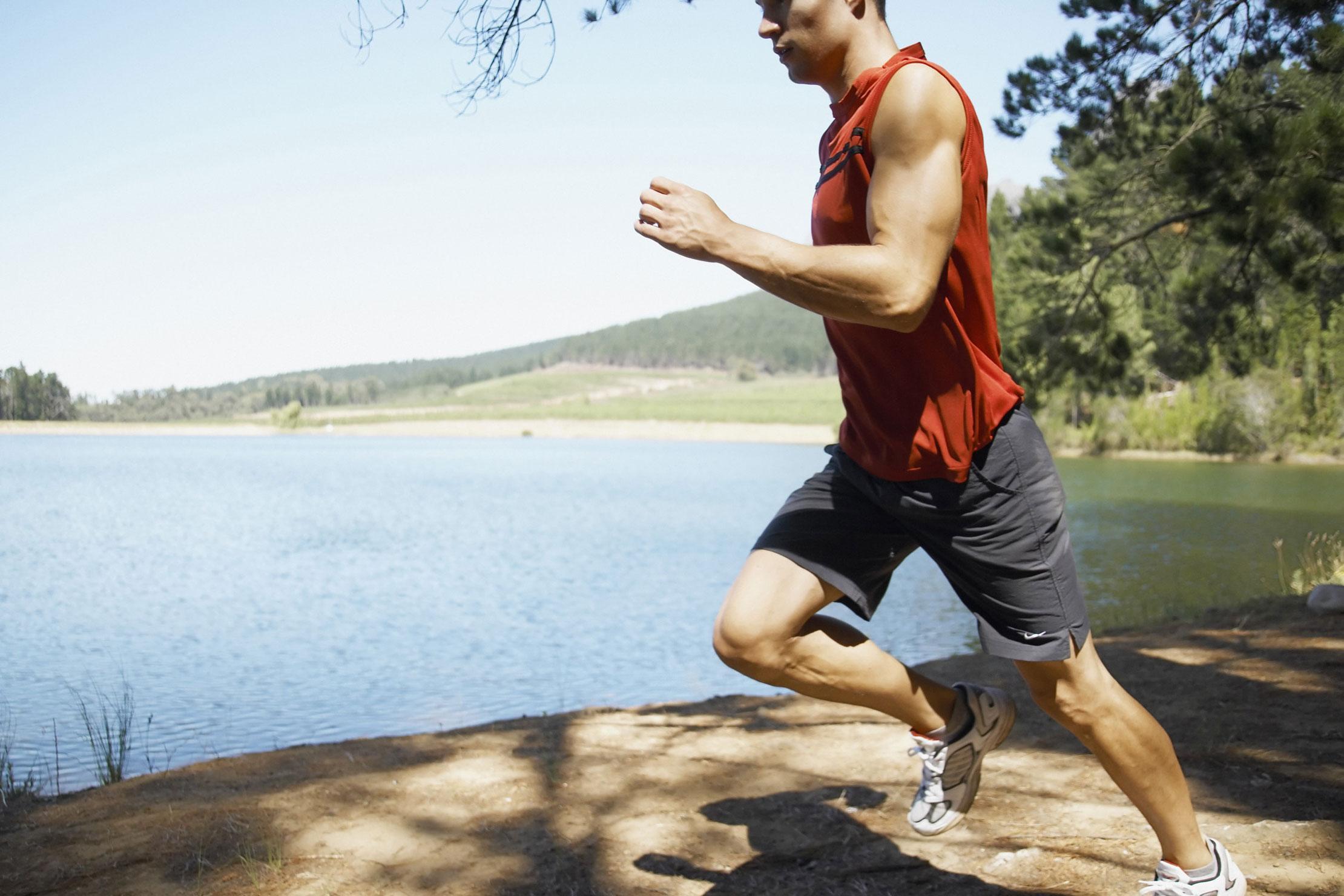
There’s a new article in Runner’s World doing a quick review on the state of research surrounding fat adaptation for athletic performance. This question of ketosis and fat adaptation is interesting to me. It’s something I take seriously from a rewilding standpoint, as our domesticated eating habits don’t work in the non-built world. Before moving to the woods, I spent significant time actively working toward fat adaptation, and at this point I’d recommend others do the same if a wilder life is the goal. Freeing oneself from the metabolic patterns of civilized life — even the grocery store paleo iteration — can change your life. Not needing to eat every few hours, or even every day, and not having nagging hunger cravings is huge.

I’m not against discussing this in terms of athletic performance, but that’s not the context I’m referring to. The last sentence is one of the first times I’ve seen others use fat adaptation in the context of anything wild[erness].

Have you tried this? Have you tried this for purposes of rewilding? Is there any particular approach you’ve had success with for becoming fat adapted?

“once you get to Ironman durations and beyond, the numbers start to look a little more reasonable. And in contexts where refueling is difficult (e.g. long wilderness expeditions), it’s an intriguing idea.” —Adapting to Burn Fat as Fuel: New data highlights the pros and cons of a low-carb approach

3 Likes

I feel like going keto is one of the single most important things I have done, not just for health reasons but to really cut that cord to civilized habits and seeing how entrenched civilized notions of existence can really be.
But it is even more apparent and important for my daughters.

1 Like

Do you delineate between keto and fat adaptation?

Nope.

I should specify here that I’ve been eating primal-keto since just before the new year and the difference is massive even from having been mostly primal-paleo for the last handful of years. The last half of 2014 was far more strict primal-paleo than before (I make that distinction because I do use raw grass-fed dairy and a LOT of grass fed butter). There are things about a more conventional paleo diet that appealed to me and things that primal made more appealing. So there’s starchy tubers, but, really, a LOT of paleo-baking. Keto doesn’t entirely wipe that option out, but it definitely makes it less comfortable to work in.
What I’ve found is that while my wife’s food allergies are horrible, immediate and undeniable, I possibly have far more food sensitivity than she does but it is all long-term, protracted and gnarly. For example, my stomach has been a notorious curmudgeon. I would shit upwards of 6-10 times per day on average. That’s every single day as far as I could remember. Vegan, juice fasting, raw vegan, paleo, (organic) SAD, roadkill and foraged foods, whatever. If I eat anything out of line, I won’t just have a shitty day, it’ll be the next two weeks.
I’d get heartburn, heart palpitations, migraines, abdominal cramping, hungry all the time, tired, and on and on. No matter what I ate, if it includes grains and/or heavy starches, that’s what was happening. No amount of exclusionary diet was helping me spot one or the other because it was literally all of it. Keto cleared up all of those issues and very quickly.
Keto is the first time that I can remember going a day without shitting. On top of everything else that’s happened, that’s a massive stand out. Overall, I have a lot more comfort and a ton more energy (I started drinking coffee when my daughters were born, because I stopped being able to sleep, haven’t had any this year.). No other dietary change has shown me that kind of impact before and the benefits kind of stack on from there.
I really stand by Nora’s Primal Body, Primal Mind take on it: nomadic hunter gatherers didn’t all live in permanent ketosis for the most part, but they generally spent enough time in ketosis that eating a lot of carbs didn’t switch their body from burning fat to needing sugar. Because we have so many extra toxins in our world and live so sedentary, ketosis is a necessary step in righting the wrongs of a domesticated lifestyle and getting us back on track with where we should be.
So I think primal-keto is really important not because I think it’s a clear representation of a flat out “nomadic hunter-gatherer” diet, but because it’s an appropriate response and corrective measure towards undoing domestication.
And, as @andrew pointed out, part of that is breaking the Store Food metabolism that means you have to constantly eat. It’s easier to need less caloric intake than to increase caloric availability.

Since this comes from Runner’s World, this comes to mind. Nora recommends Al Sear’s P.A.C.E. which has the fitness equivalent of the way that ketosis flips conventional thinking about fats.

We accept the term “cardio”… as a synonym for heart conditioning. Yet when you study the heart’s reaction to repeated sessions of cardio, it raises serious concerns.
First, it doesn’t really strengthen the heart because endurance and strength are two separate things induced by opposite exercises. Second, this type of continuous challenge simulates episodes of prolonged stress from our once-native hunter environment. It induces short-term survival strategies. But if you stay in survival mode too long it’s very destructive.
After 30 years of working with extremely fit athletes, patients with failed, diseased or injured hearts and average people in between, one thing is apparent; doing continuous cardio exercise is a waste of time.
It just doesn’t build what your heart needs. It doesn’t increase your heart’s ability to respond to real demands. In fact, for all that effort, you only reduce your ability to handle life’s stressful circumstances - the last thing you want.

Those who performed exercise that is more vigorous had a lower risk of death than those who performed less vigorous exercise.
Aerobics, jogging and marathon running are low-intensity, long-duration exercises. The Harvard study clearly shows that this kind of exercise increases your risk of heart disease and death.
And here’s why: When you exercise for long periods at a low to medium intensity, you train your heart and lungs to get smaller in order to conserve energy and increase efficiency at low intensity.
Yet we are constantly made to feel that if we could just overcome our laziness and make ourselves do enough of this boring drudgery, it would solve our health problems and protect our hearts. If this were true, why do very “conditioned” endurance runners drop dead of heart attacks at the height of their running careers?

I started getting into running before reading this, but then stopped quickly. Found this fascinating.

Do you know if you have celiac disease? I’ve been out of that literature for a while but I seem to remember that a single wheat dose can cause damage to the digestive system that can take 6 months to heal. Of course, gluten is only one of many compounds the plant world generates that any given species or individual mammal might not do well with.

The “cheat day” idea isn’t one I like to use, but I’ve definitely refined my own divergences along lines more nuanced than what is or isn’t paleo. I’m a lot more likely to decline a beer than heavy cream because grains do a number on me that’s much worse than what dairy does to me. Bummer because I’d much rather have a few pints of porter than a gallon of milk.

I might. I don’t have typical reactions, but then again, “typical” reactions are the ones we know about because they’re immediate and severe enough for us to draw a line there. It would certainly seem to be the case that there’s some part of my body that innately rejects grains of any sort (I can’t even do ground coconut!). Whether that’s a long-term issue or just my body wanting to take a keto-break for maintenance remains to be seen. But either way the safest bet is to avoid it all.
I can’t do “cheat days”. It’s taken a while to come to that observation, but so far this year I’ve had 2 “cheat days”, once eating Thai food (just veggies and sauce, no rice) and another time eating ice cream. Strangely enough I took the ice cream better (thickeners kill my stomach), but both times I just got sugar shits and was knocked out for 2 or 3 days. Not worth it.
But having seen the long-term impacts that even “paleo cheats” have, it’s really not worth it. If I “cheat”, it’s eating some watermelon or something, but usually not even enough to knock myself out of ketosis.
I can imagine though that your cheats are probably even harder because I know folks send chocolate and sugar in care packages! When you’re out in the woods there’s definitely a bit more permissibility in what your body can tolerate, but it’s still a limit. Ash cakes are always a temptation though…

Strangely enough, I used to have crazy issues with dairy, but it really hasn’t bothered me. At least grass-fed cream and butter. I do a little bit of raw milk in my fat teas, but not much really. Just not a big fan of it. Raw milk cheese doesn’t bother me, but the times I’ve had more processed or highly pasteurized stuff can get me a bit iffy.
Being straightedge makes me not have to worry about declining beer. I’m on autopilot on that stuff anyways.

Ultra marathons aren’t my cup o’ tea, but I think there are insights in the benefits fat adaptation lends to this type of activity in terms of human animality. Anywho, seemed relevant.

FUEL: The High-Fat Diet of an Ultra Runner

I don’t think carbohydrate-avoidance is necessary to become “fat-adapted” to the point of being able to fast for long periods of time whilst exherting yourself.

I find that I’m quite athletically capable even after a few days of no-carbohdrate preceding an unplanned fast (if circumstances arise and this just happens upon me) despite my rather usually-carbful diet which includes lots of tubers and fruit alongside my meat. Perhaps for an initial long period of time it is necessary, as I admit this was the case for me; when first turning toward a “paleo” diet, I ate almost no carbohydrate for at least a year, fasted regularly, and engaged in fasted endurance training as well. This could obviously have caused my mitochondria to get frisky with themselves and reproduce to the max, as well as cause the production of a tonne of the enzymes involved with fatty acid transportation and oxidation. It’s also not unreasonable to think that all of the physiological changes which might be difficult to cause could simply be maintained easily by my current lifestyle. But, still, I now eat a large amount of carbohydrate, and have for a couple of years, without seeing a decline in what I had originally gained.

Just my two cents on the matter. Not likely relevant in carb-deprived, wild, wintery lands though.